
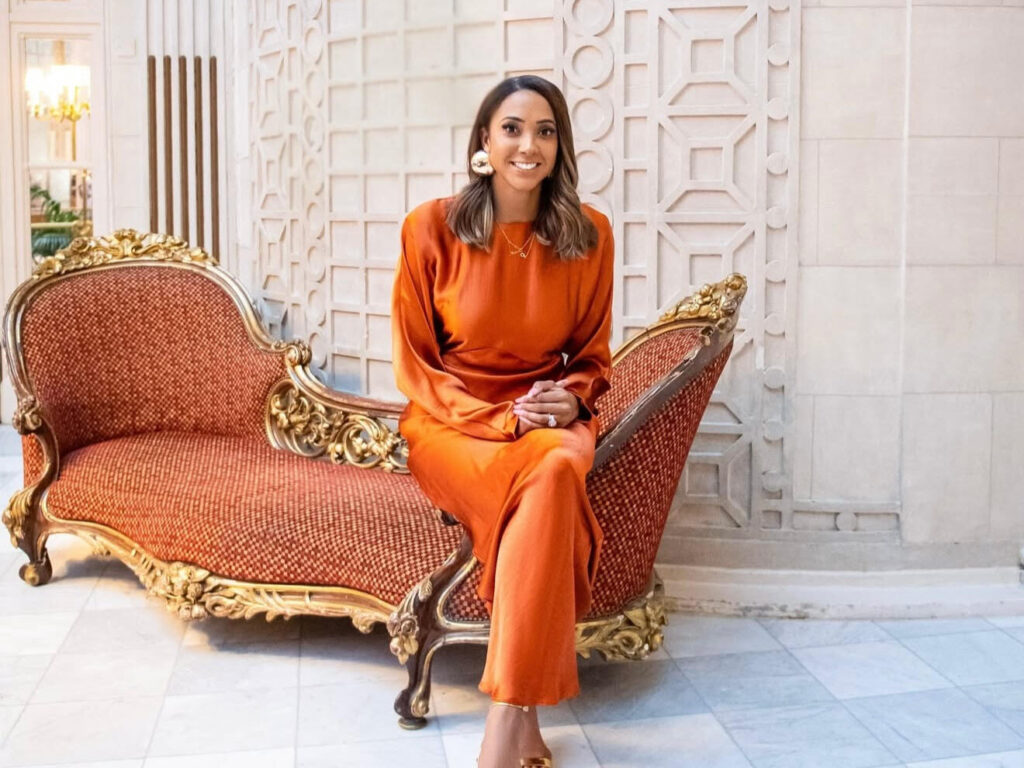
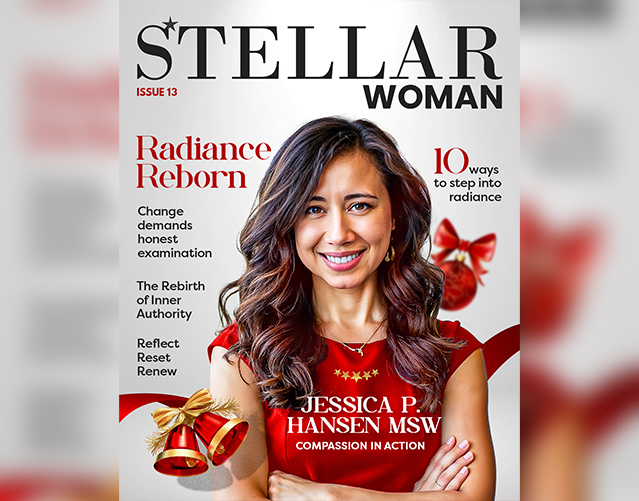
Stellar Woman Magazine | Christmas Issue: Radiance Reborn
Christmas is a season of reflection. It invites pause, honesty, and renewal. For Stellar Woman Magazine, this Christmas issue is shaped around Radiance Reborn. Not radiance as performance, but radiance as renewal. The kind that emerges when women continue to lead, question, and rebuild themselves and their work, even when the journey has been demanding.
Dr Joanna Abeyie is a leader shaped by education, advocacy, and lived experience. Her work sits at the intersection of inclusion, leadership development, and social impact. In this conversation with Stellar Woman Magazine, she speaks candidly about her journey, the systems that shaped her, and why equity must be intentional rather than performative.\
QN. WHO IS DR JOANNA ABEYIE?
“I am someone who is deeply committed to creating spaces where people feel seen, valued, and able to thrive,” Joanna says.
Joanna is a leader, educator, and advocate whose work is grounded in lived experience as well as professional training. Identity, for her, is layered rather than fixed. “I carry my personal story into everything I do. It informs how I lead, how I teach, and how I show up for others.”
At this stage of her life, Joanna is navigating a season of transition. Alongside running a consultancy focused on people, culture, and leadership, she is also training in law, with a focus on criminal and public law. It is a demanding period that requires discipline, clarity, and honesty about capacity. Rather than presenting certainty, she speaks openly about complexity, recognising that leadership does not pause simply because life is full.
QN. WHAT SHAPED YOUR JOURNEY INTO EDUCATION AND LEADERSHIP?
Education became a central theme early in Joanna’s life. “I saw education as a pathway to opportunity, but I also saw how uneven access could be.”
Navigating systems that were not designed with everyone in mind made her acutely aware of inequality. “I learned very quickly that talent alone is not enough when systems are biased.” These experiences shaped her understanding of leadership as responsibility rather than aspiration. Leadership, she learned, either reinforces inequity or actively challenges it.
QN. WHEN DID YOU REALISE YOU WANTED TO CREATE CHANGE THROUGH YOUR WORK?
“There wasn’t one defining moment,” she says. “It was a gradual awakening.”
As she advanced academically and professionally, she noticed patterns of exclusion. “I kept asking myself why certain voices were missing and why some people had to work twice as hard to be recognised.” That awareness solidified her commitment to equity focused leadership and long term systemic change.
QN. HOW HAS YOUR PERSONAL EXPERIENCE INFLUENCED YOUR PROFESSIONAL PATH?
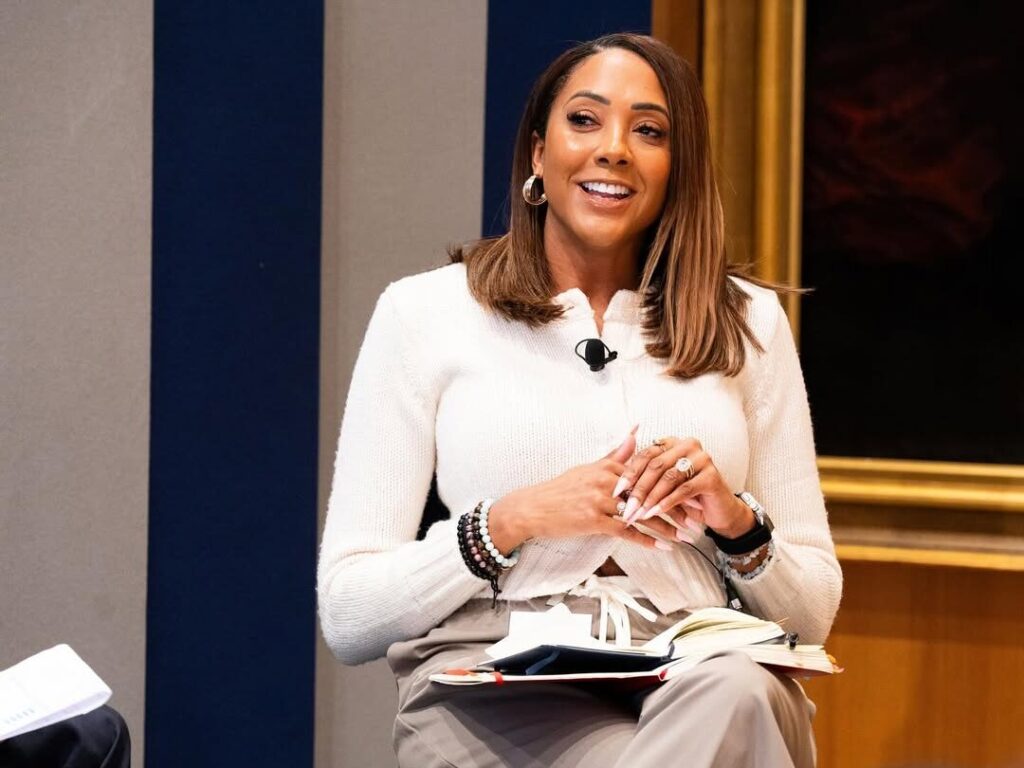
“My lived experience is not separate from my work,” Joanna says. “It is the foundation of it.”
Navigating spaces where she was often the only one shaped her understanding of belonging. “I know what it feels like to question whether you truly belong, and that is why inclusion matters so much to me.” Her leadership is informed not only by theory or policy, but by lived reality.
QN. WHAT DOES LEADERSHIP MEAN TO YOU TODAY?
Joanna defines leadership as responsibility rather than status. “Leadership is about service,” she explains. “It’s about being accountable for the impact you have on others.”
She challenges traditional leadership models that centre power over people. “True leadership creates space for others to lead as well.” Leadership, in her view, must be measured by its effect on people, not simply by outcomes or titles.
QN. WHY IS EQUITY SUCH A CENTRAL PART OF YOUR WORK?
“Equity acknowledges that people start from different places,” she says. “Treating everyone the same does not lead to fairness.”
Joanna emphasises that equity requires intention. “You have to be willing to examine systems, policies, and behaviours honestly. It’s uncomfortable work, but it’s necessary.” Without that honesty, inclusion becomes symbolic rather than real.
QN. WHAT DOES INCLUSIVE LEADERSHIP REALLY MEAN TO YOU?
“I don’t think the discourse always gets it right,” she says. “Inclusion has been framed as taking from one group and giving to another.”
For Joanna, inclusive leadership is about understanding fairness in context. “What makes something fair for one person may not look the same for someone else.” Inclusive leadership requires recognising what makes the playing field uneven and adjusting conditions accordingly, rather than blaming individuals for struggling within systems that were never designed for them.
QN. THIS CHRISTMAS ISSUE IS THEMED RADIANCE REBORN. WHAT DOES THAT MEAN TO YOU?
When she hears the word radiance, Joanna admits it is not something she instinctively associates with herself. Exhaustion, she says, is more familiar.
For her, radiance is not about brightness or constant positivity. Radiance Reborn is about acceptance. Accepting what cannot be changed without allowing it to diminish who you are. This is particularly challenging for someone deeply committed to justice and fairness. When something is wrong, the instinct to question it or challenge it does not simply disappear.
Rebirth, in that sense, is internal. It is remembering that something in you carried you to where you are now. Even if what got you here is not what will take you forward, it still matters. It still counts. Radiance, for her, is choosing not to reject yourself in moments of fatigue or disappointment.
QN. WHO IS A STELLAR WOMAN?
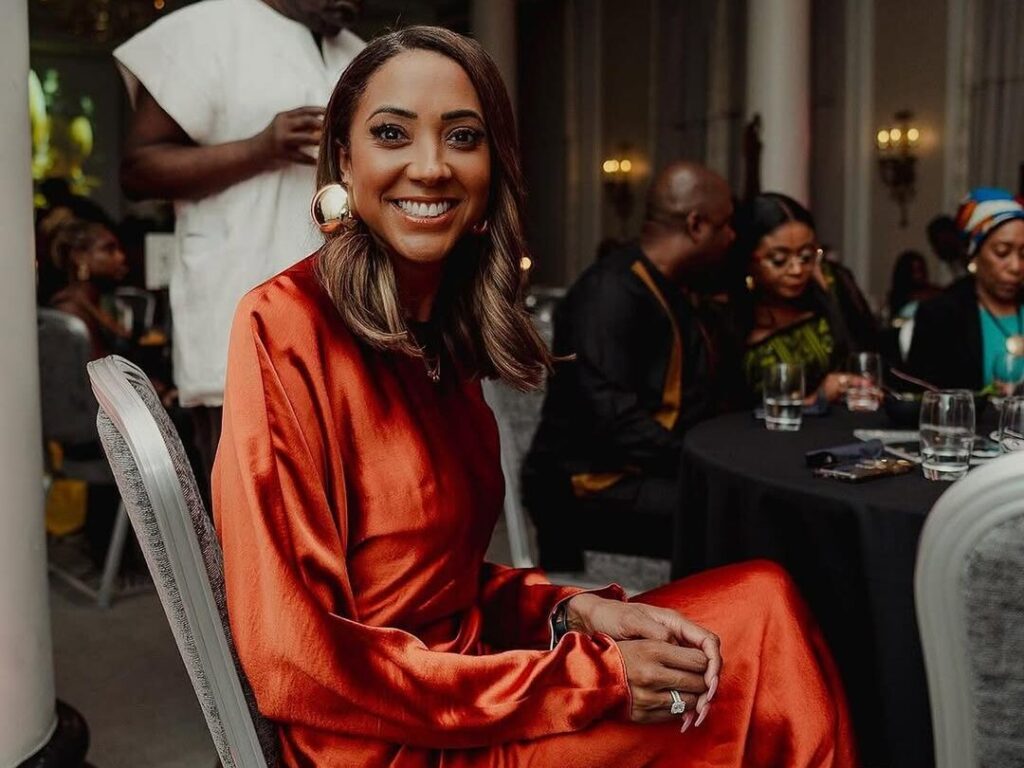
A Stellar Woman, Joanna believes, leads with integrity. She understands her impact and does not diminish others in order to succeed. She is not transactional in her relationships and does not mistake power for leadership.
A Stellar Woman creates space rather than competition. She is accountable, grounded, and values consistency over performance. Strength, in this context, is quiet but deliberate. It shows up in behaviour, not slogans.
QN. WHAT ARE SOME OF THE BARRIERS WOMEN STILL FACE IN LEADERSHIP SPACES?
“Women are often judged more harshly and given less grace,” Joanna says. Confidence in women is frequently misinterpreted. “The same behaviour that is praised in men can be criticised in women.”
These double standards create invisible ceilings. Women are often required to prove themselves repeatedly, carrying emotional and professional weight that goes unacknowledged.
QN. HOW DO YOU NAVIGATE SPACES WHERE YOU FEEL UNDERVALUED OR MISUNDERSTOOD?
“I’ve learned to ground myself in my purpose,” she says. Clarity is essential. “When you know why you’re in a space, it becomes easier to withstand resistance.”
She also emphasises the importance of community. “You can’t do this work alone.” Support systems provide perspective, strength, and accountability.
QN. OUTSIDE OF WORK, WHAT DO YOU DO TO RECHARGE?
“I love horse riding and I ride as much as I can,” she says. Riding requires full presence. “You can’t think about anything else. You have to be completely focused.”
Alongside riding, reformer pilates plays an important role in her routine. “No matter what mood I walk in with, I walk out happier.” Movement, discipline, and presence help her reset.
QN. WHAT HAS BEEN ONE OF THE HARDEST LESSONS YOU HAVE LEARNED IN YOUR CAREER?
“Understanding what people are really asking you to do,” she reflects, “and how genuinely committed they are to change.”
She has learned to observe behaviour rather than rhetoric. “Don’t just listen to what people say. Watch what they do.” Discernment, she notes, is essential for sustainable leadership.
QN. WHAT ROLE DOES EDUCATION PLAY IN CREATING LONG TERM CHANGE?
“Education is transformative,” she says. “It shapes how people see themselves and the world.”
For Joanna, education must go beyond credentials. It should build critical thinking, empathy, and awareness of injustice. Education is both personal liberation and collective responsibility.
QN. WHAT ADVICE WOULD YOU GIVE TO WOMEN STEPPING INTO LEADERSHIP?
“Do not wait for permission,” she says. “You already belong.”
She encourages women to trust their voice and protect their energy. “Burnout helps no one.” Boundaries, she believes, are essential for longevity.
QN. AS WE CLOSE, WHAT CHALLENGE DO YOU LEAVE WITH WOMEN?
Joanna’s challenge is practical.
She encourages women to reflect intentionally on how they want to feel, what they want to have achieved, and who they want to become by the end of the coming year. From there, she advises working backwards, breaking that vision into quarters, months, and weeks.
“Life will happen,” she says. “But intention gives you something to return to.”
Radiance Reborn, in this sense, is not about doing more. It is about choosing wisely where energy goes, what is protected, and what is no longer sustainable.
Watch full interview below
DR Joan’s story is definitely 🔥 👌 ,it’s not only educational but also encouraging 👏 thanks for sharing and creating space for women 😀 👍 😊 🙌